Thinking about moving up in San Antonio, but not sure whether Olmos Park fits what comes next for you? This small central enclave offers something very different from a newer subdivision: larger lots, mature trees, varied architecture, and a location just a few miles from both downtown San Antonio and the airport. If you want to understand what kinds of homes you may find here, what price ranges to expect, and what tradeoffs come with an older, more established area, this guide will help you sort it out. Let’s dive in.
Why Olmos Park Stands Out
Olmos Park is a very small city of about 0.61 square miles with an estimated population of 2,115. City materials place it roughly four miles north of downtown San Antonio and five miles south of the airport, with VIA bus access and zoning to Alamo Heights ISD.
For move-up buyers, that central location is a major part of the appeal. You are not just buying more house. You are often buying access, established surroundings, and a neighborhood setting that feels older and more rooted than many newer options.
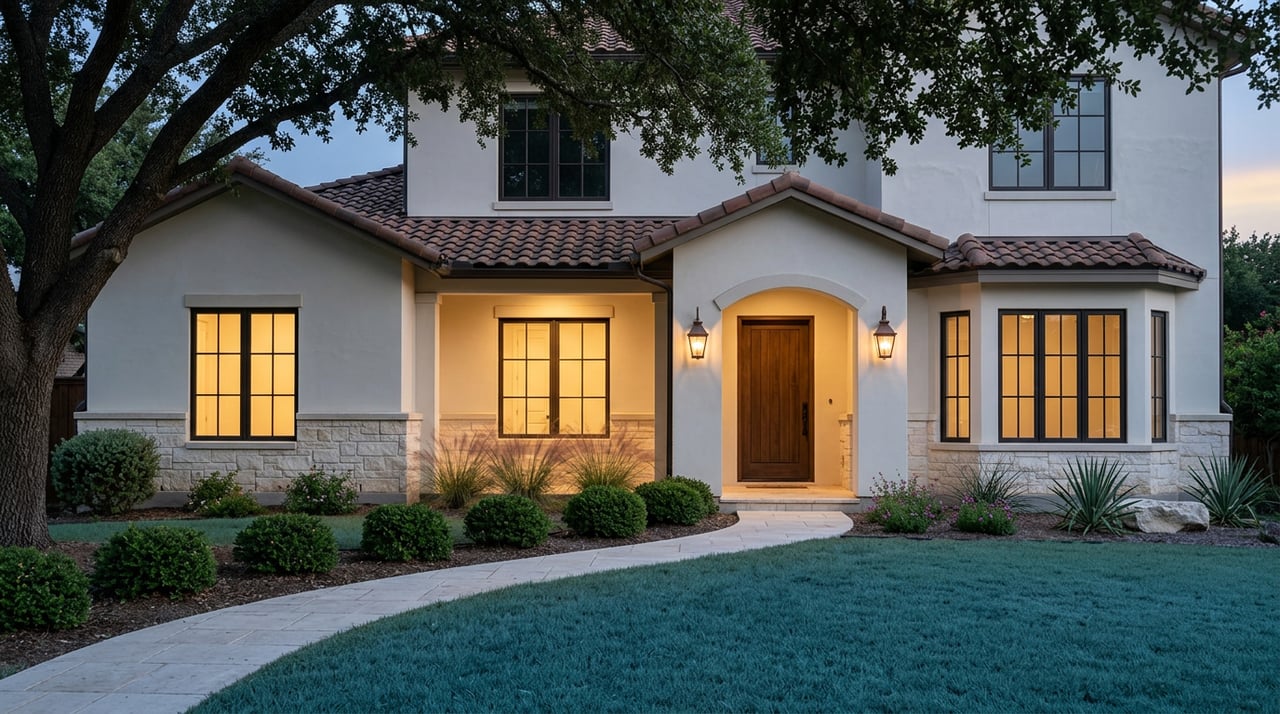
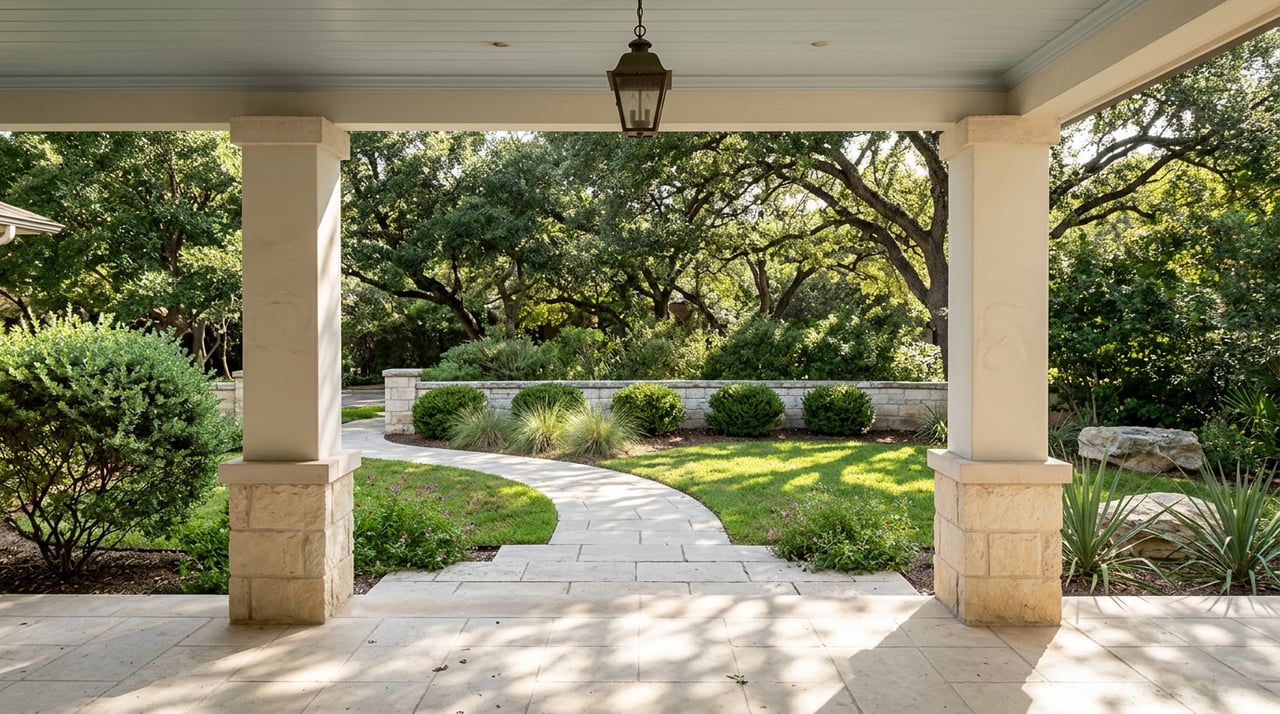
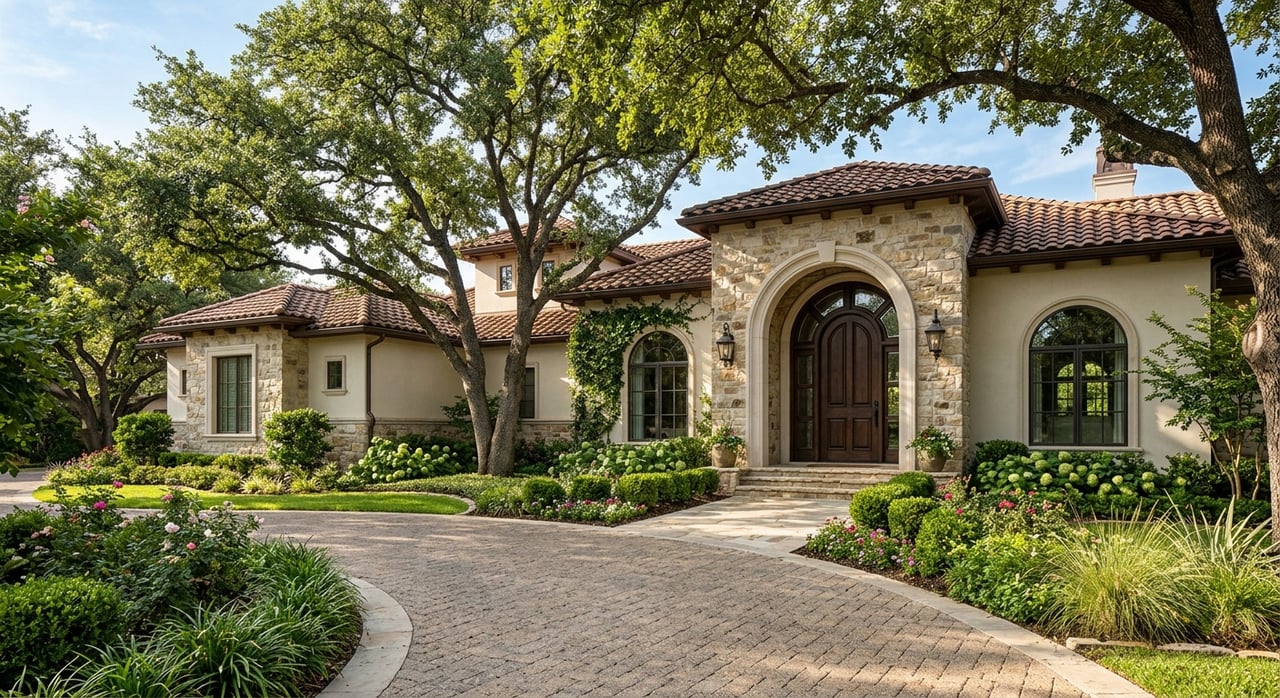
The area also has a park-like feel. City descriptions highlight mature oaks and established landscaping, which can be a big draw if you want shade, privacy, and a setting that feels settled from day one.
What Move-Up Buyers Usually Want
Move-up buyers are often looking for a different mix of features than they needed in a first home. You may want more square footage, more outdoor space, more privacy, or a home with stronger long-term appeal.
In Olmos Park, those goals can line up well with the housing stock. This is a location-first market where lot size, architecture, and central access often matter just as much as bedroom count.
That said, the neighborhood is not a one-size-fits-all option. If your priority is a low-maintenance home in a uniform newer development, Olmos Park may feel less predictable and more hands-on.
Housing Styles in Olmos Park
Olmos Park was developed in 1927 on curving streets that radiate from a central circle. According to SAH Archipedia, most homes date from the late 1920s through the 1940s, and early covenants required masonry exteriors.
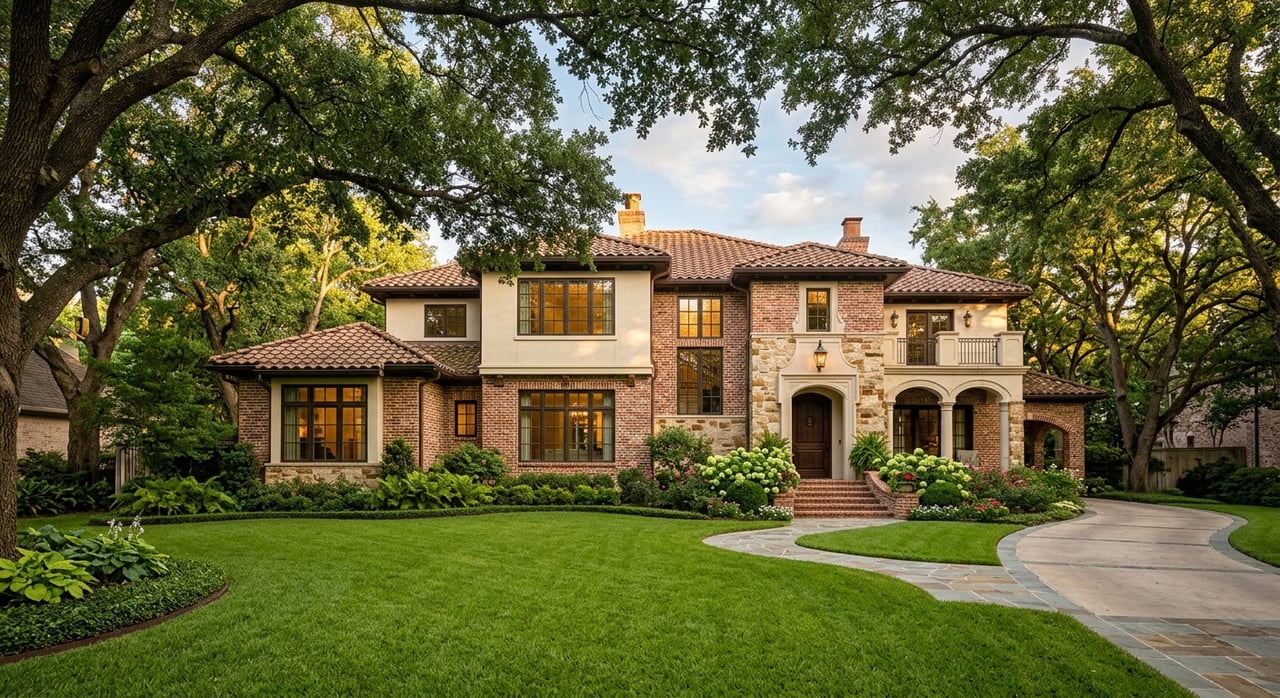
That original development pattern still shapes the neighborhood today. Instead of repeating floor plans, you will find a broad mix of home styles and eras, from historic residences to newer contemporary builds.
Recent listings help show that range. Examples include a 1929 Tudor estate, a 1940 Thorman Cottage, a 1949 Spanish hacienda-style home, and a 1962 traditional residence.
Historic Character and Design Variety
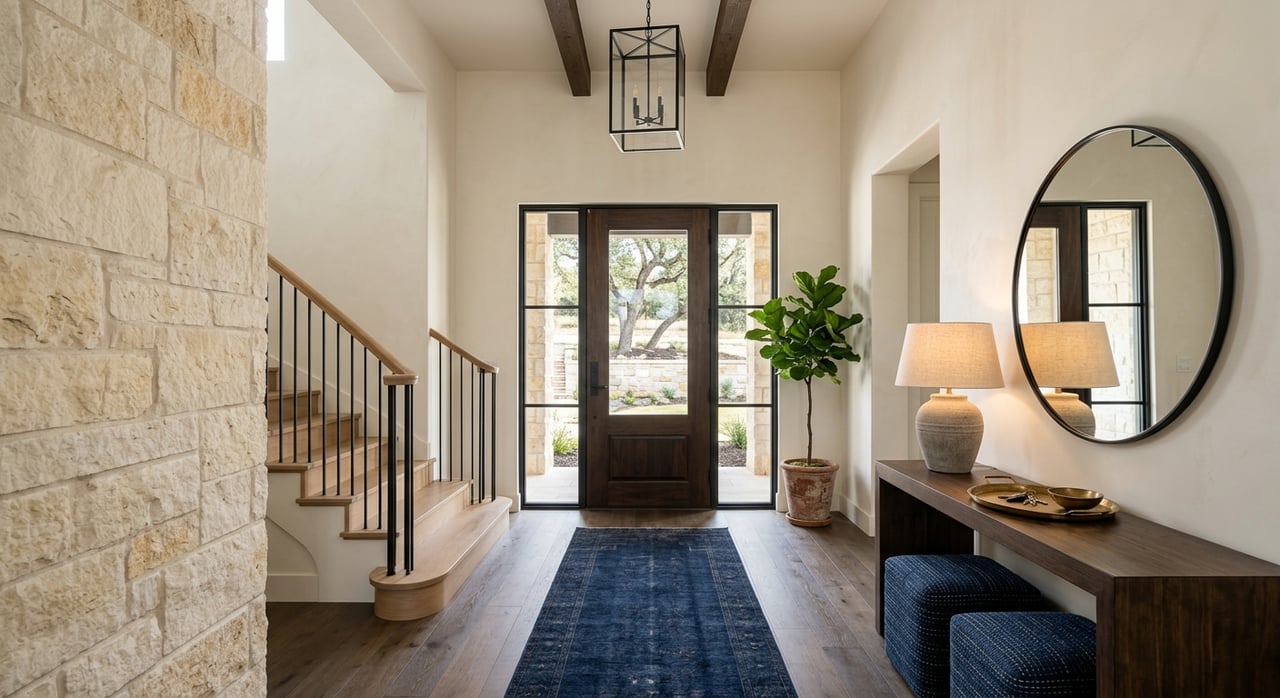
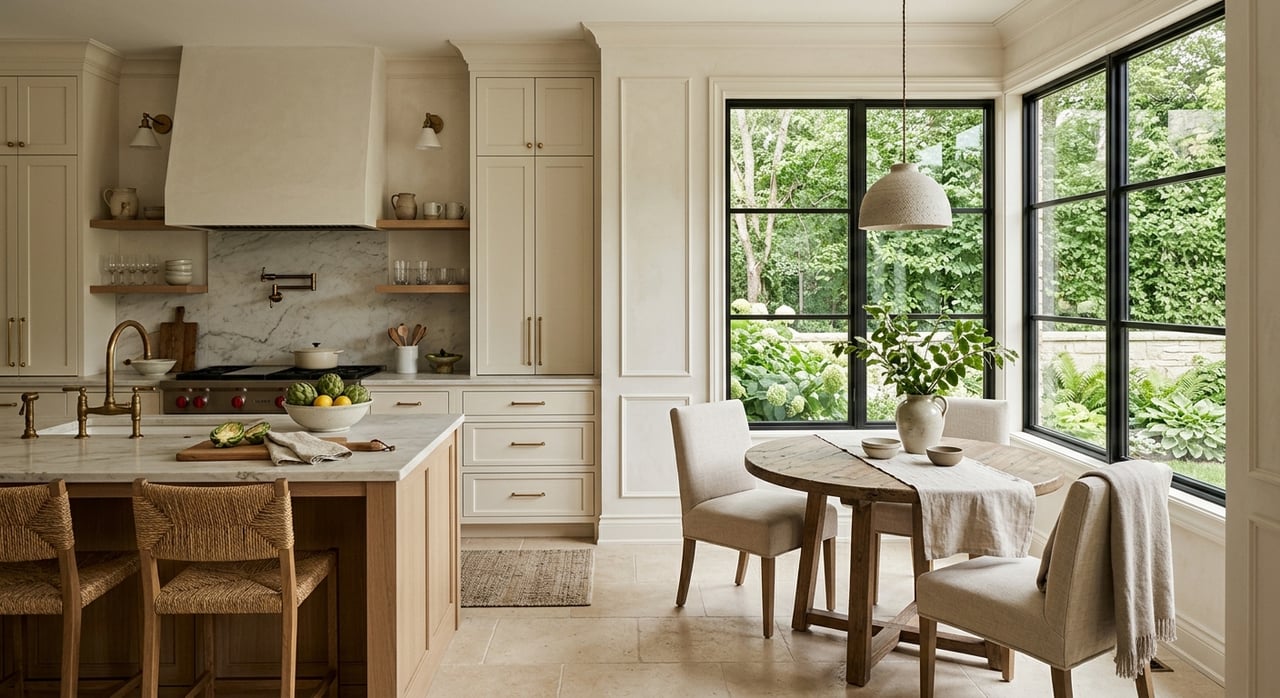
If you value homes with distinctive details, Olmos Park has a lot to offer. Older properties may include original hardwoods, plaster walls, masonry construction, stained glass, coved ceilings, and other features that are harder to find in newer homes.
That architectural variety is one reason move-up buyers often look here. A home in Olmos Park can feel unique in a way that production housing usually does not.
Newer Construction Is Part of the Mix
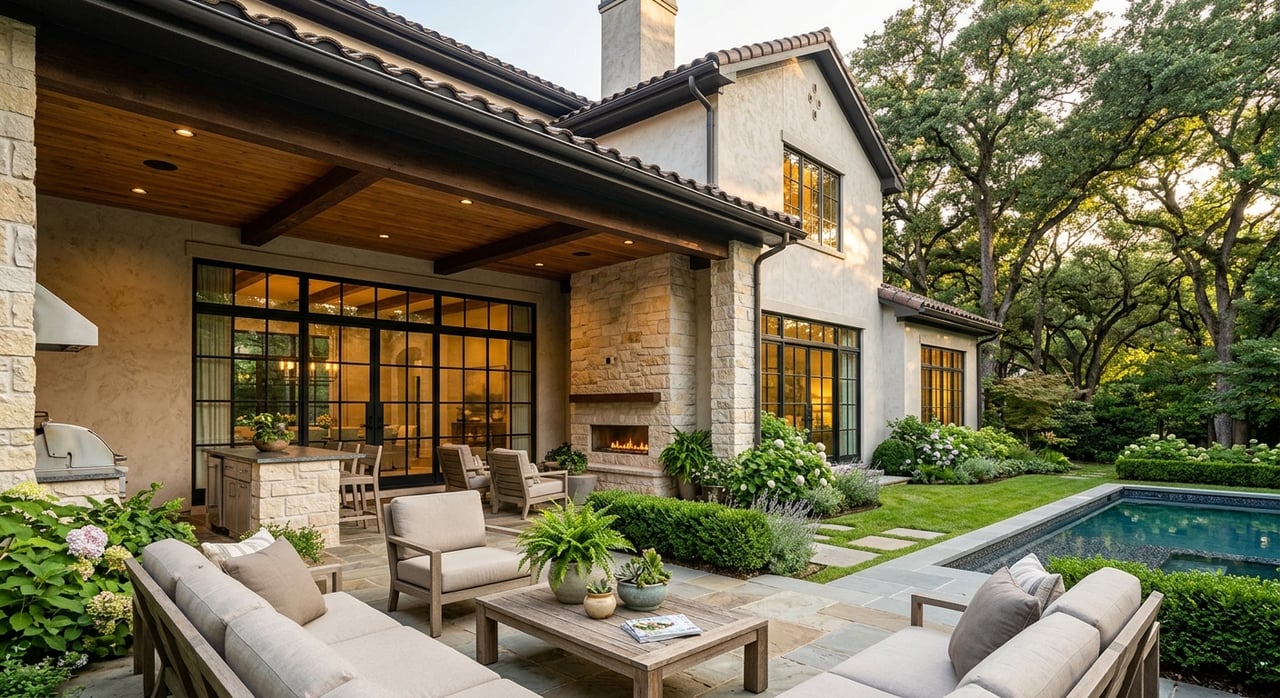
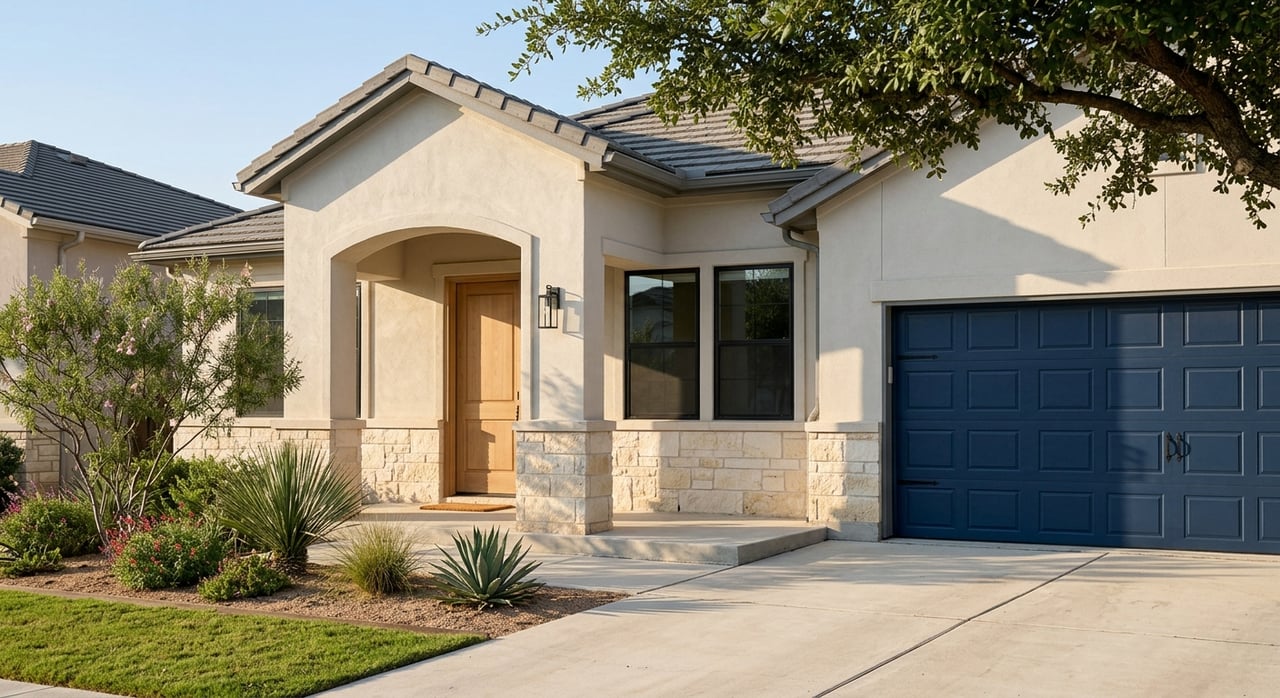
While much of the area is known for historic homes, city materials also note that the housing stock includes contemporary new builds. That gives buyers more than one path if they want the location and lot pattern of Olmos Park without taking on the same level of age-related upkeep.
In practical terms, you may find homes that range from carefully preserved originals to updated traditional houses to newer custom construction. Your search can be more flexible than the neighborhood’s historic reputation might suggest.
Lot Sizes and Outdoor Space
One of the biggest differences between Olmos Park and many newer neighborhoods is the lot pattern. Representative recent listings show many standard residential parcels around 0.26 to 0.33 acres, while larger estate properties can range from about 0.74 to 1.03 acres.
That spread matters for move-up buyers. You may be looking for room to entertain, space between homes, a larger backyard, or simply a property that feels less compressed.
Because the neighborhood was originally platted with lot widths from 75 to more than 100 feet and depths up to 300 feet, the block-to-block feel can change quite a bit. Driveways, side yards, and accessory-space potential are not uniform, so each property deserves a close look.
Price Ranges to Expect
Pricing in Olmos Park can look inconsistent at first glance, especially because it is such a small market. Different data sources report different numbers, which is normal when a few high-end sales can shift the averages.
Recent market snapshots show that Realtor.com reported a May 2026 median listing price of $587,450 with 16 homes for sale and 59 median days on market. Redfin showed a March 2026 median sale price of $560,000, Zillow reported an average home value of $951,630, and HAR’s February 2026 closed-sales snapshot showed an average price of $1.215 million and a median of $1.29 million.
The best way to read that spread is with context. Active listing prices, closed sales, and automated value estimates are measuring different things, and in a very small city, a handful of estate properties can skew the picture quickly.
A Practical Pricing Framework
For move-up buyers, a useful shorthand looks like this:
- Roughly $600,000 to $700,000 for smaller homes or properties that may need more updating
- About $1.2 million to $1.5 million for larger, updated traditional homes
- Around $1.8 million and up for estate properties on larger parcels
These are not hard rules, but they are helpful expectation-setters before you start touring. Recent examples behind those bands include a $649,000 cottage, a traditional home with an estimated value around $1.34 million, and a 1929 Tudor estate listed at $3.75 million.
Who Olmos Park Fits Best
Olmos Park tends to fit buyers who care about location, land, and character. If you want to move into a centrally located area with mature trees, established homes, and varied architecture, this neighborhood checks a lot of boxes.
It can also work well if you are comfortable evaluating homes individually instead of expecting a standardized product. In a neighborhood like this, two homes at similar price points may offer very different tradeoffs in condition, updates, layout, and lot use.
You may be a strong fit for Olmos Park if you want:
- A central San Antonio location
- Larger or more varied lot sizes
- Mature landscaping and older trees
- Architectural character
- A home that feels established rather than newly built
What to Watch Before You Buy
The same features that make Olmos Park appealing can also require more diligence. Older homes often come with more personality, but they can also come with more maintenance needs.
Character details like original hardwoods, plaster, masonry, and older finishes may be beautiful, but they can signal a higher chance of deferred maintenance or future upgrade work. If you are moving up from a newer home, this is an important mindset shift.
Renovation and Permit Considerations
Olmos Park requires permits before most construction, additions, pools, fences, and impermeable front-yard work. The city also says a survey or plat is required for additions, garages, carports, pools, fence work, and new construction.
That does not mean improvements are off the table. It means you should go in with a clear understanding of process, timeline, and property-specific limits before assuming you can rework the home or site however you want.
Historic Review Can Matter
In areas tied to historic buildings or districts, exterior work may trigger design review. In nearby Olmos Park Terrace, for example, San Antonio notes that exterior work must comply with the city’s historic design guidelines and review process.
For a move-up buyer, the practical lesson is simple: if future renovations are part of your plan, confirm the review path early. It is better to understand that upfront than after closing.
How to Shop Smart in Olmos Park
A disciplined approach matters in a neighborhood this varied. Instead of comparing homes only by square footage or finish level, look at the full package.
Focus on a few core questions as you narrow options:
- How much updating has already been done?
- What is the lot size, shape, and usable outdoor space?
- Does the property offer the privacy and layout you want?
- Are there likely maintenance projects in the near term?
- If you want to add on later, what city requirements may apply?
This kind of neighborhood rewards careful evaluation. The right home can be a strong long-term move, but only if it matches both your lifestyle and your comfort with upkeep.
Final Thoughts on Moving Up Here
Olmos Park offers a housing experience that is hard to duplicate in newer parts of the market. You get central access, a small-city feel, mature trees, and homes that often carry more individuality than what you see in a typical subdivision.
For the right move-up buyer, that combination can be worth the added complexity. If you want more space and more character, and you are prepared to evaluate condition and future improvement plans carefully, Olmos Park deserves a serious look.
If you want a calm, organized plan for comparing Olmos Park with other move-up options in San Antonio, Jacob Rocha can help you evaluate the tradeoffs, narrow the right fit, and move forward with clarity.
FAQs
What types of homes can move-up buyers find in Olmos Park?
- Move-up buyers can find a wide mix of homes in Olmos Park, including historic houses from the late 1920s through the 1940s, updated traditional homes, and some contemporary new builds.
What price range should buyers expect in Olmos Park?
- A practical guide is about $600,000 to $700,000 for smaller or less renovated homes, around $1.2 million to $1.5 million for larger updated homes, and $1.8 million or more for estate-style properties.
What makes Olmos Park different from newer neighborhoods?
- Olmos Park stands out for its central location, mature oak trees, larger and more varied lot sizes, and architectural character that differs from more uniform newer developments.
What should buyers know about renovating a home in Olmos Park?
- Buyers should know that the city requires permits for many types of work, including additions, pools, fences, and certain site changes, and some properties may also involve exterior design review.
Is Olmos Park a good fit for low-maintenance buyers?
- Olmos Park may be less ideal for buyers seeking a low-maintenance, uniform new-subdivision experience because many homes are older and may need more upkeep or future upgrades.