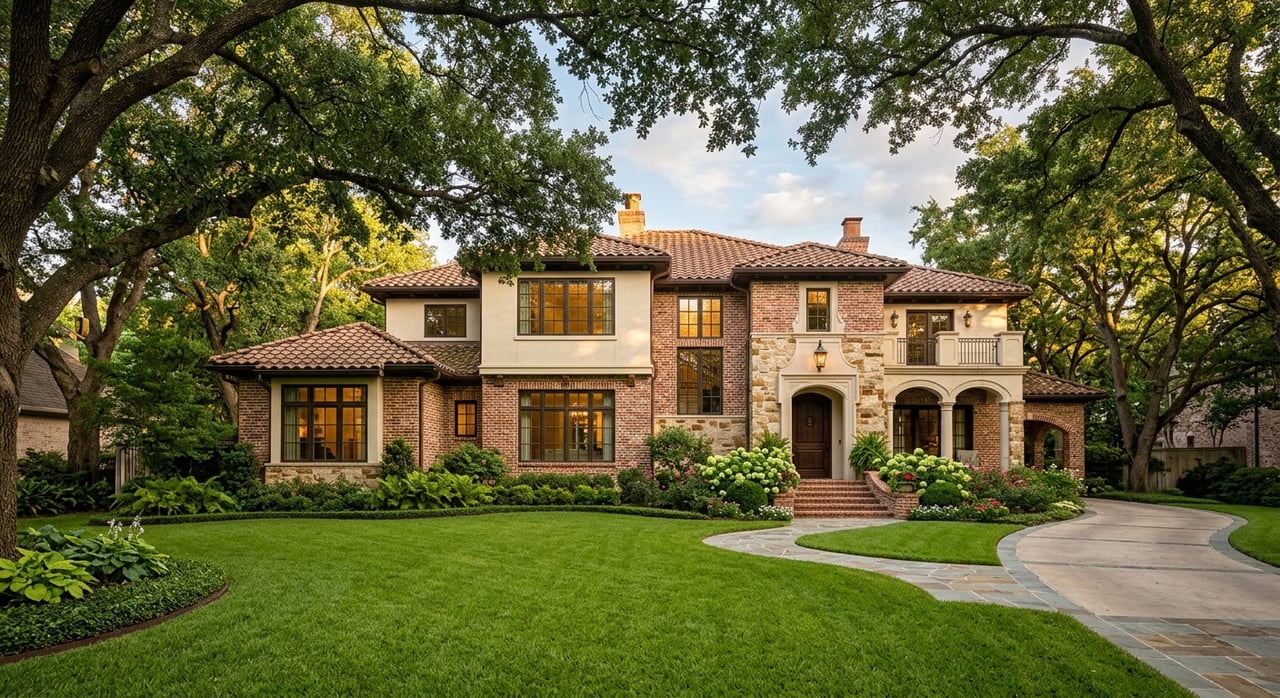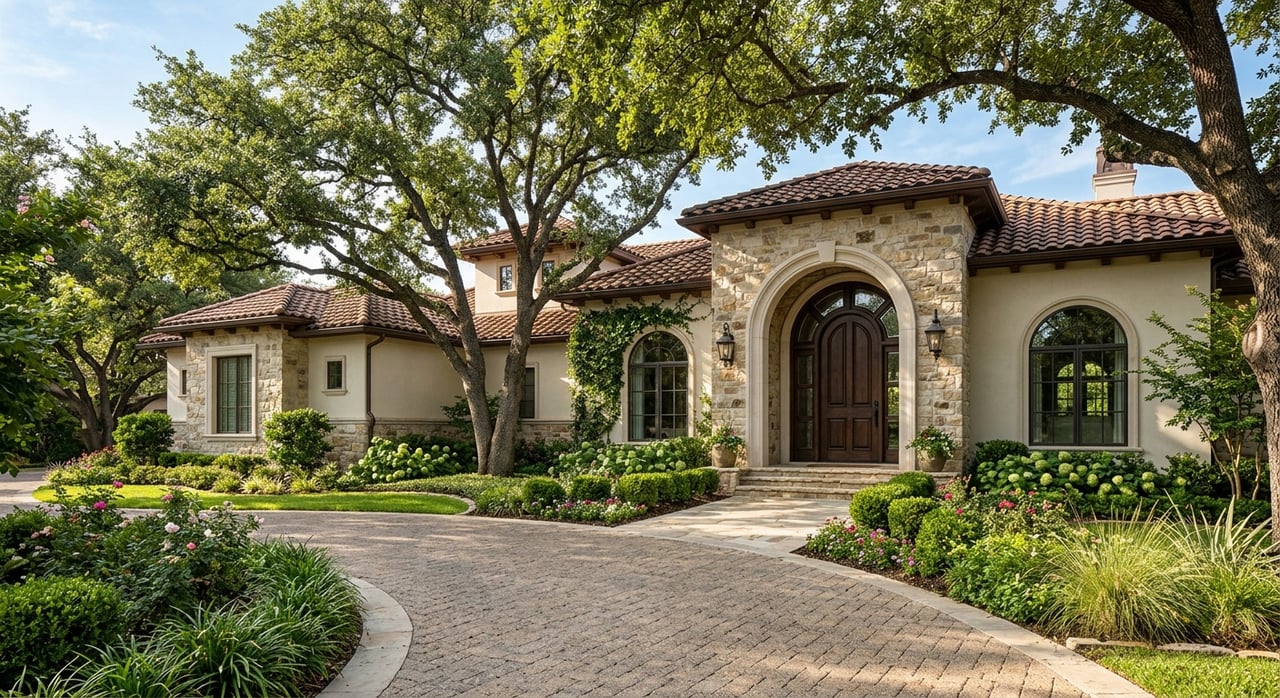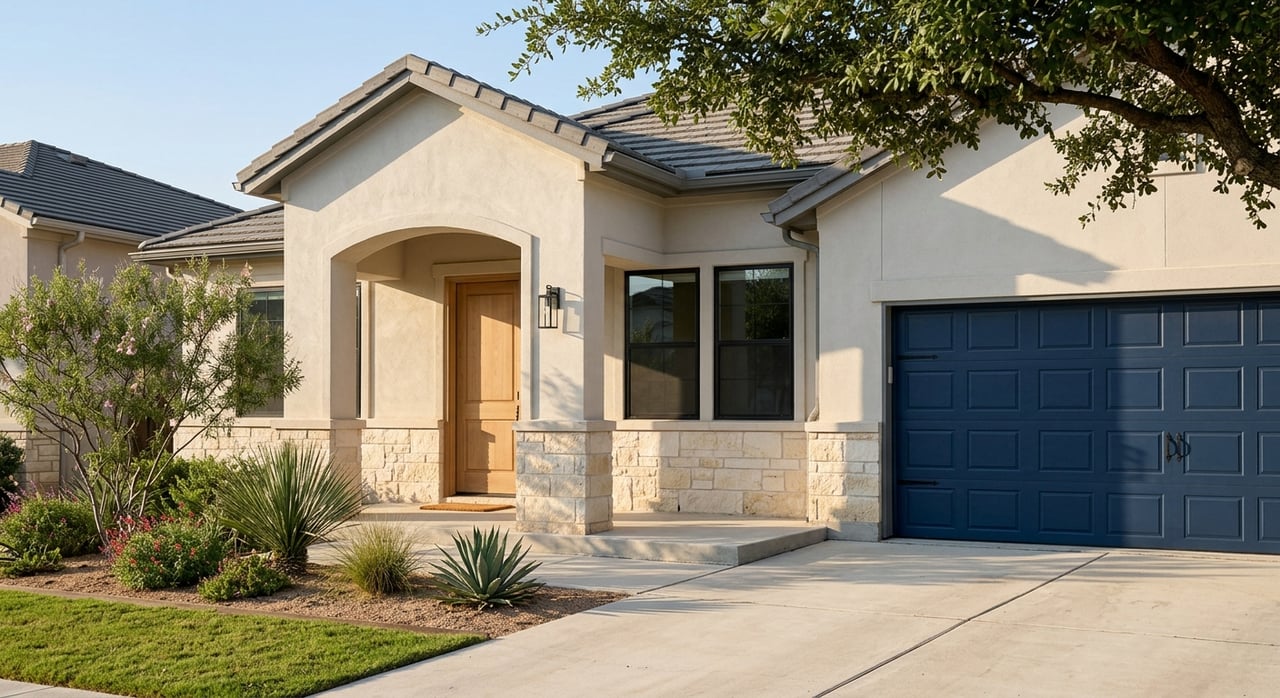
Thinking about selling in Shavano Park? In a small, high-value market, the difference between a smooth sale and a slow, frustrating one often comes down to preparation, pricing, and timing. If you want to protect your leverage and make smart decisions from day one, this step-by-step plan will help you focus on what matters most. Let’s dive in.
Understand the Shavano Park market
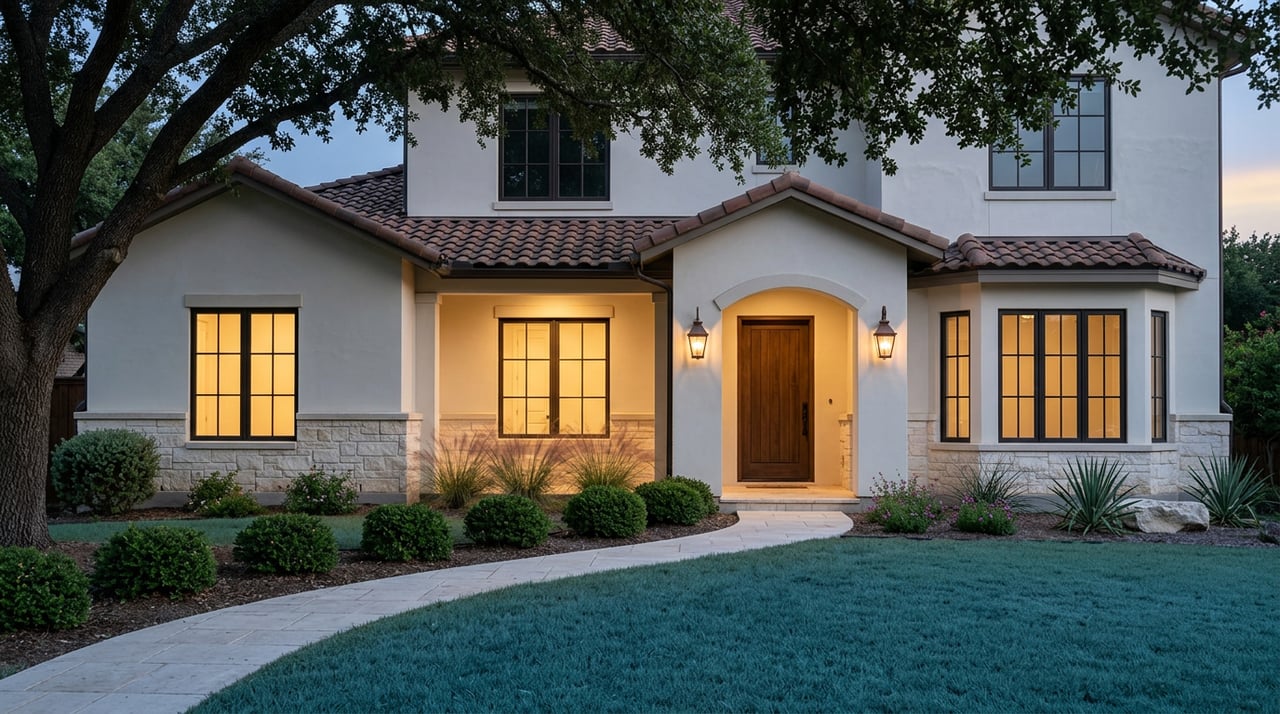
Shavano Park is a compact community in northwest Bexar County, about 12 miles north of downtown San Antonio. It is primarily made up of single-family homes, and the city plan emphasizes detached homes, larger lots, mature trees, and privacy. That means buyers are often evaluating more than just square footage. They are also looking closely at the setting, outdoor space, and overall presentation.
Local data also shows why strategy matters here. SABOR's February 2026 Shavano Park report showed just 2 closed residential sales, 13 active listings, 2 pending sales, and 3.0 months of inventory, with a median sale price of $1.725 million and median days on market of 178. With so few monthly sales, broad averages can be misleading, so your pricing and prep need to be based on the freshest comparable sales and the specific strengths of your property.
The wider San Antonio metro market gives useful context too. SABOR reported 5.51 months of inventory in February 2026, 102 average days on market, and 91.9% of homes selling close to original list price. In plain terms, buyers had options, so sellers still needed disciplined pricing and strong presentation.
Step 1: Start with a realistic home review
Before you think about photos or list price, take an honest look at your home as a buyer would. In Shavano Park, condition, lot appeal, privacy, and outdoor living areas can influence value in a big way. Small differences in updates, maintenance, and presentation can separate one property from another very quickly.
Walk through the house and grounds with fresh eyes. Pay attention to deferred maintenance, worn finishes, lighting, landscaping, and any features that feel dated or distracting. Focus first on issues that could raise buyer concern, not just cosmetic wish-list items.
If you have completed additions or major changes, gather records early. Bexar Appraisal District notes that it does not approve construction or property modifications, so approvals and building requirements come from the city or county permitting office. That makes it important to confirm what paperwork you have before your home hits the market.
Step 2: Decide which repairs are worth it
Not every project adds value, and over-improving can hurt your return. In Shavano Park, buyers are often responding to overall condition, livability, and how well the home and lot have been maintained. That usually means practical repairs and clean presentation matter more than chasing every trend.
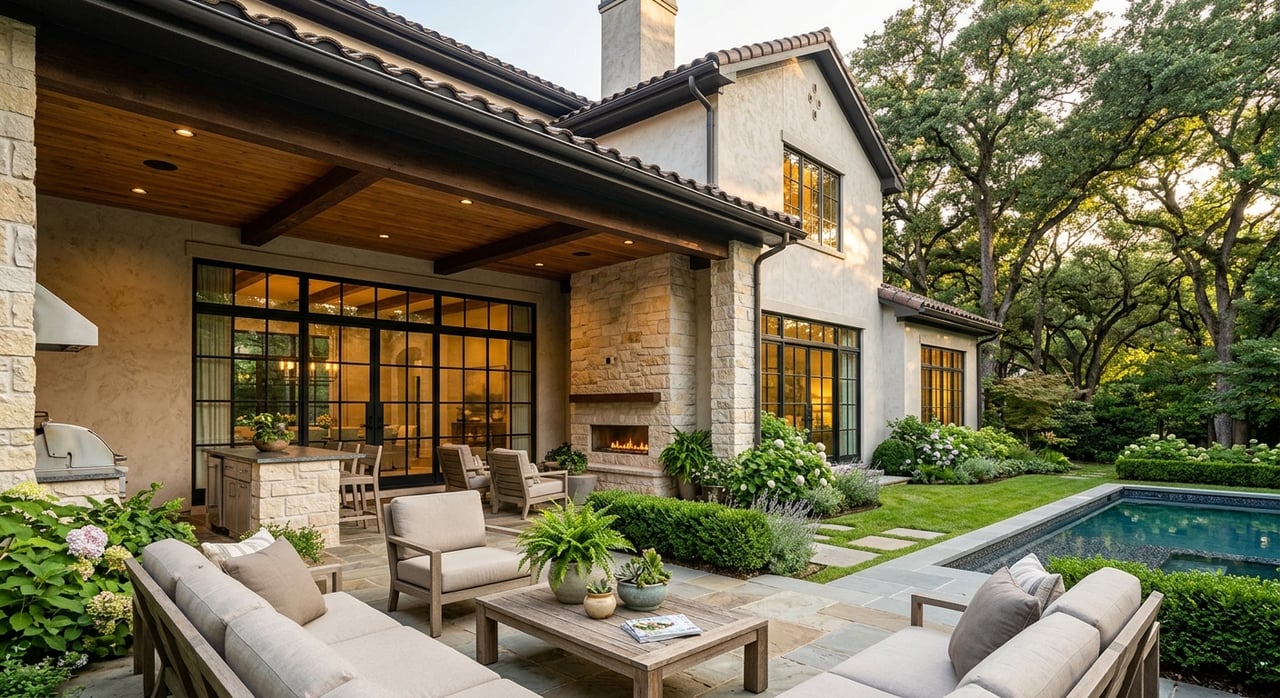
Start with high-impact items like paint touch-ups, flooring repairs, lighting updates, hardware replacement, and visible exterior maintenance. If the pool, patio, or landscaping is part of the home's appeal, make sure those spaces feel clean, functional, and easy to imagine enjoying. On larger lots, outdoor areas are often part of the value story, not just background.
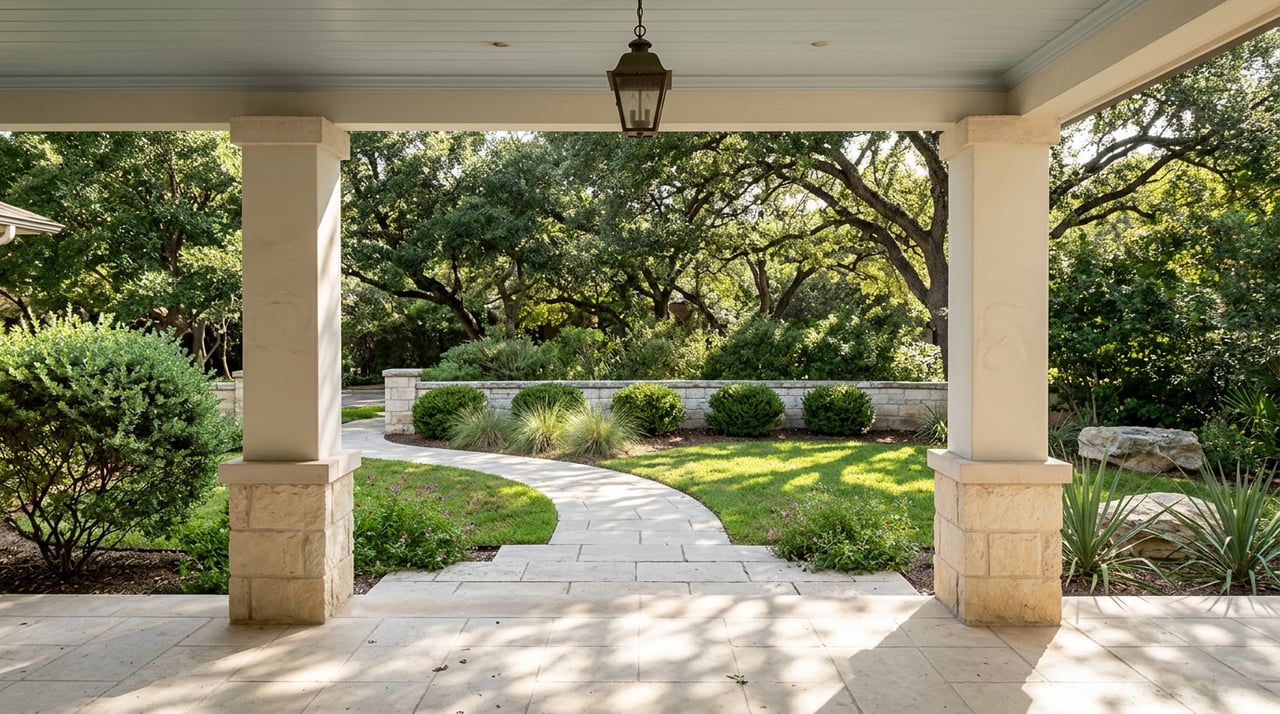
Be thoughtful with tree work. The city plan highlights Shavano Park's mature tree canopy and rural character, and the city has a tree preservation ordinance. For most sellers, that points toward pruning, cleanup, and maintenance rather than aggressive removal.
Step 3: Get your survey and documents ready
Documentation can prevent delays later. If there is any chance a fence line, setback, or lot boundary could become a question, locate your recorded survey early. BCAD states that it does not conduct land surveys, so if you do not have a usable survey, you may need a new one from a licensed surveyor.
It also helps to build a clean property file before listing. Useful records often include:
- Existing survey
- Permit history for additions or major repairs
- Information tied to significant upgrades
- Tax or exemption records if relevant
- Seller disclosure materials
In a market like Shavano Park, where lot size, trees, and exterior improvements can matter, good documentation can make your sale feel more organized and lower stress.
Step 4: Price from comps, not assumptions
This is where many sellers lose momentum. Because monthly sales volume in Shavano Park is so small, pricing off broad neighborhood talk or citywide averages can lead you off course. The better approach is to use the most recent comparable sales, then adjust for lot size, age, renovation level, condition, and presentation.
This matters even more when buyers have time to compare options. SABOR's February 2026 local report showed Shavano Park homes closing at 88.6% of original list price. That is a strong reminder that an unsupported list price can lead to long market time and eventual price cuts.
It is also important to separate market value from tax value. BCAD appraises property as of January 1 each year, and taxing units use those values to calculate taxes, but tax appraised value is not the same as what a buyer will pay in the open market. If a buyer or seller fixates on the tax number, that distinction matters.
Step 5: Build a launch plan that highlights the property
A strong launch should reflect how buyers shop in Shavano Park. Since the area is known for detached homes, privacy, mature landscaping, and estate-style lots, your marketing should make those features easy to see. The goal is to tell a clear story about what makes your property worth visiting.
That usually means emphasizing features like:
- Lot size and layout
- Outdoor living areas
- Tree canopy and landscaping
- Pool and patio spaces
- Privacy and setback from neighbors
- Interior updates and overall condition
If your home has an assumable VA or FHA loan, that may be worth highlighting as well. SABOR notes that many assumable mortgages are government-backed and may allow a buyer to take over the seller's existing financing, which can be a useful marketing angle when the loan terms are favorable.
Step 6: Make showings easy
When homes take longer to sell, every showing matters. Buyers need space to evaluate the home carefully, and any avoidable friction can slow down a decision. Bright, clean, easy-to-access homes tend to show better because they reduce hesitation.
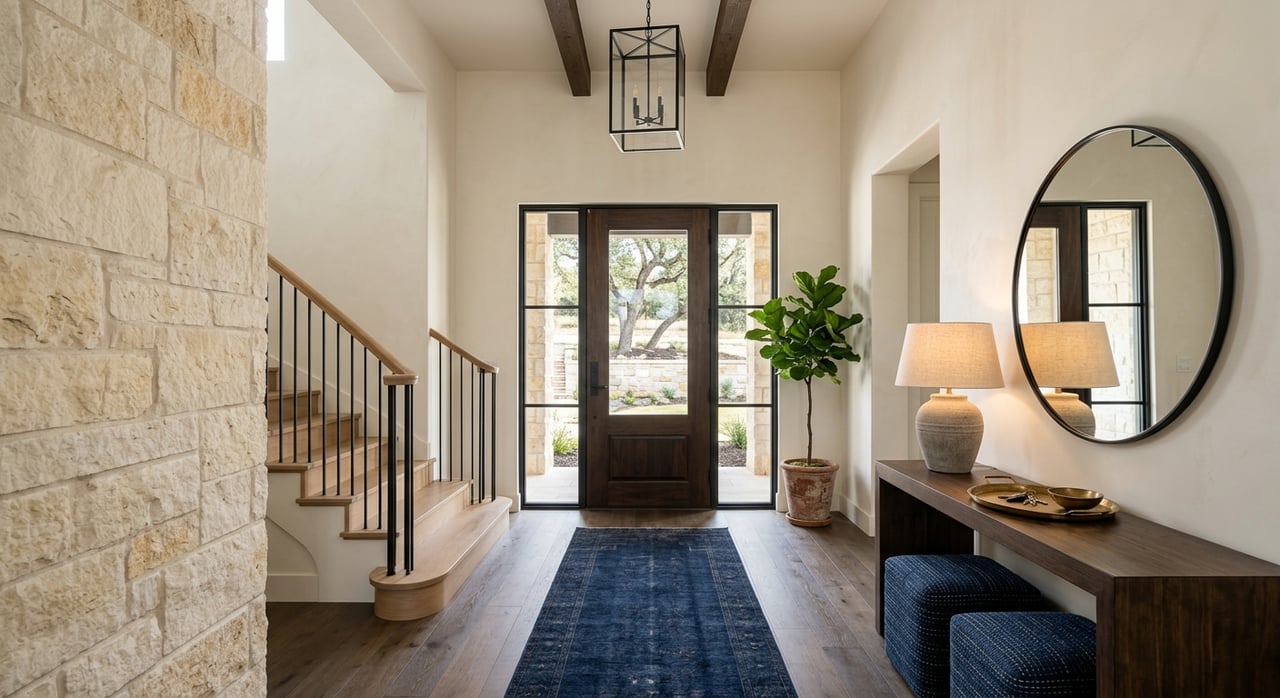
Before each showing, aim for a calm and polished presentation. Open blinds, turn on lights, clear clutter, and remove distractions that pull attention away from the home itself. The easier you make it for a buyer to picture daily life there, the better.
Flexibility also helps. In a market where buyers may compare several homes before making an offer, limited access can work against you. The more frictionless the showing process is, the more opportunities you create.
Step 7: Prepare for negotiation before offers arrive
The best time to plan your negotiation strategy is before the first offer lands. With local data showing homes closing at 88.6% of original list price, you should expect buyers to evaluate value carefully and negotiate where they see room. That does not mean you need to give away leverage. It means you need a plan.
Decide in advance what matters most to you. Common points to sort out early include:
- Sale price
- Repair requests
- Closing date
- Concessions
- Possession timing
This keeps decisions clear when emotions rise. A disciplined approach can help you weigh the full offer, not just the top-line number.
Step 8: Handle school questions carefully
If buyers ask about school assignment, answer with precision. Northside ISD assigns students by street address, and attendance boundaries can change. That means any reference to schools should be verified by exact address through the district's boundaries system.
You can share factual information, but avoid broad promises. For example, Blattman Elementary is one of the area campuses served by Northside ISD, but assignment depends on the specific address. Keeping this simple and accurate protects everyone.
Step 9: Complete Texas disclosures early
Texas sellers should not wait until the last minute on disclosures. The Texas Real Estate Commission's Seller's Disclosure Notice is required for previously occupied single-family residences and is tied to Section 5.008 of the Texas Property Code. The current form effective May 28, 2026 is Form 55-1.
Filling this out early gives you time to be accurate and complete. It also reduces the odds of scrambling during negotiations or contract deadlines. In many transactions, organized disclosures help keep the sale moving with fewer surprises.
Step 10: Stay organized through closing
Once you are under contract, the focus shifts from marketing to execution. This is where calm communication and organized records can make a big difference. Buyers may ask follow-up questions about permits, repairs, survey details, or property taxes, and quick answers help keep momentum on your side.
BCAD's property tax timeline is also useful context if tax questions come up. Appraised values are generally determined from January through April, protest deadlines usually fall by May 15 or 30 days after notice, values are certified by the end of July, tax rates are adopted in August through September, and bills are mailed in October. That timeline can help explain why tax records, tax bills, and market pricing do not always line up neatly.
If you have an exemption on the property, remember that exemption applications are generally filed with the appraisal district and the general deadline is before May 1. Having those records ready can help if questions come up during the transaction.
A smart Shavano Park sale starts with discipline
Selling a home in Shavano Park is not about chasing hype. It is about reading a small market correctly, preparing the property with intention, pricing from real comparables, and staying organized from listing to closing. When you treat the sale like a mission with clear steps, you give yourself the best chance at a cleaner process and a stronger result.
If you want steady guidance and a practical plan for your next move, Jacob Rocha can help you sell with clarity, discipline, and local market focus.
FAQs
How long does it take to sell a home in Shavano Park?
- SABOR's February 2026 local report showed a median of 178 days on market in Shavano Park, but timing can vary based on price, condition, lot characteristics, and buyer demand at the time you list.
What repairs matter most before listing a home in Shavano Park?
- Focus first on visible maintenance, clean presentation, exterior upkeep, lighting, paint touch-ups, and outdoor areas like patios, pools, and landscaping that support the home's overall value story.
How should a seller price a home in Shavano Park?
- Price from the most recent comparable Shavano Park sales, then adjust for lot size, updates, age, condition, and presentation rather than relying on broad averages or tax appraised value.
What documents should a Shavano Park seller gather before listing?
- A strong file often includes the seller's disclosure, survey, permit history for additions or major repairs, and any relevant tax or exemption records.
Can a seller mention school information when listing a home in Shavano Park?
- Yes, but school assignment should be verified by exact address through Northside ISD because attendance boundaries are address-based and can change.
Should a seller highlight an assumable loan in Shavano Park?
- If your home has an assumable VA or FHA loan with favorable terms, it may be worth highlighting because it can be a helpful financing angle for some buyers.