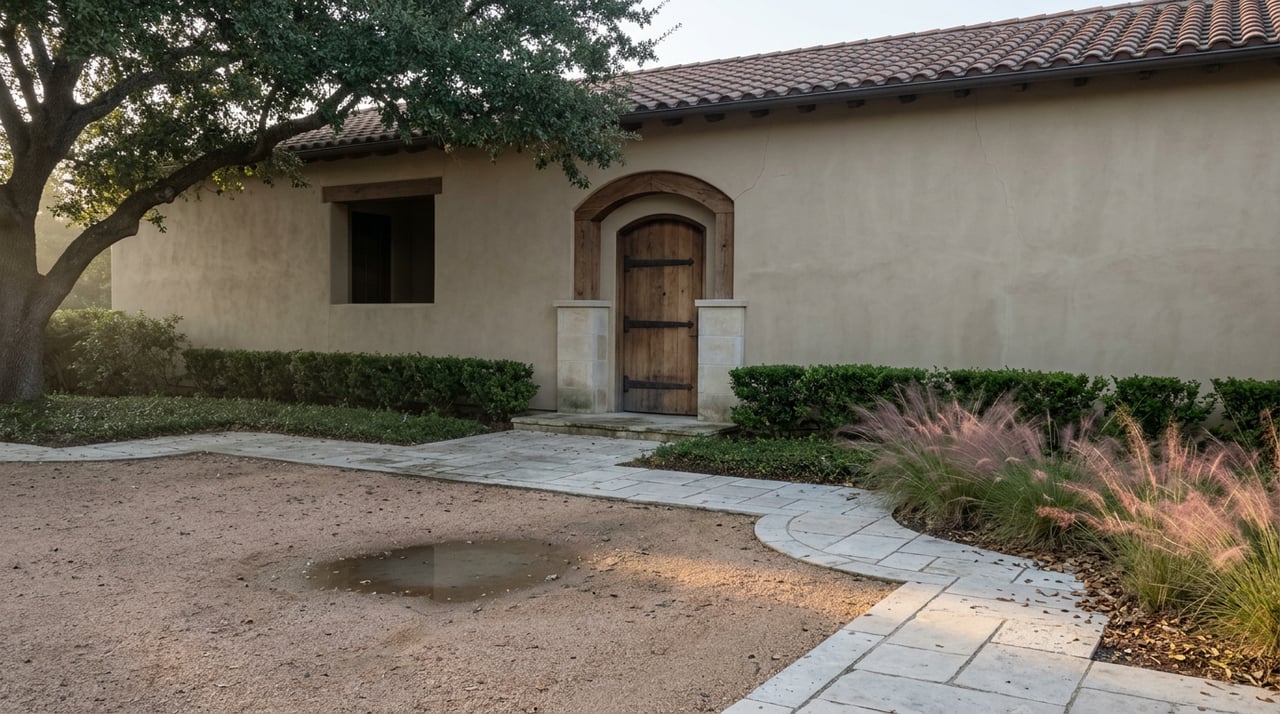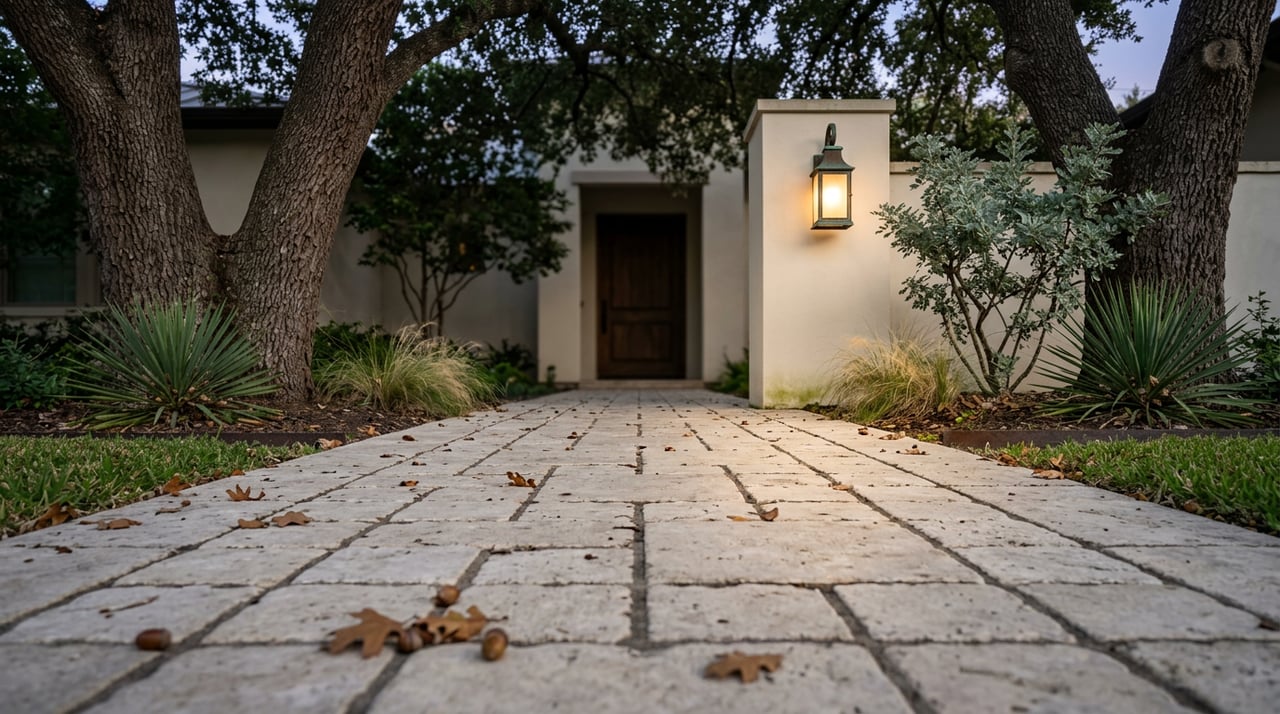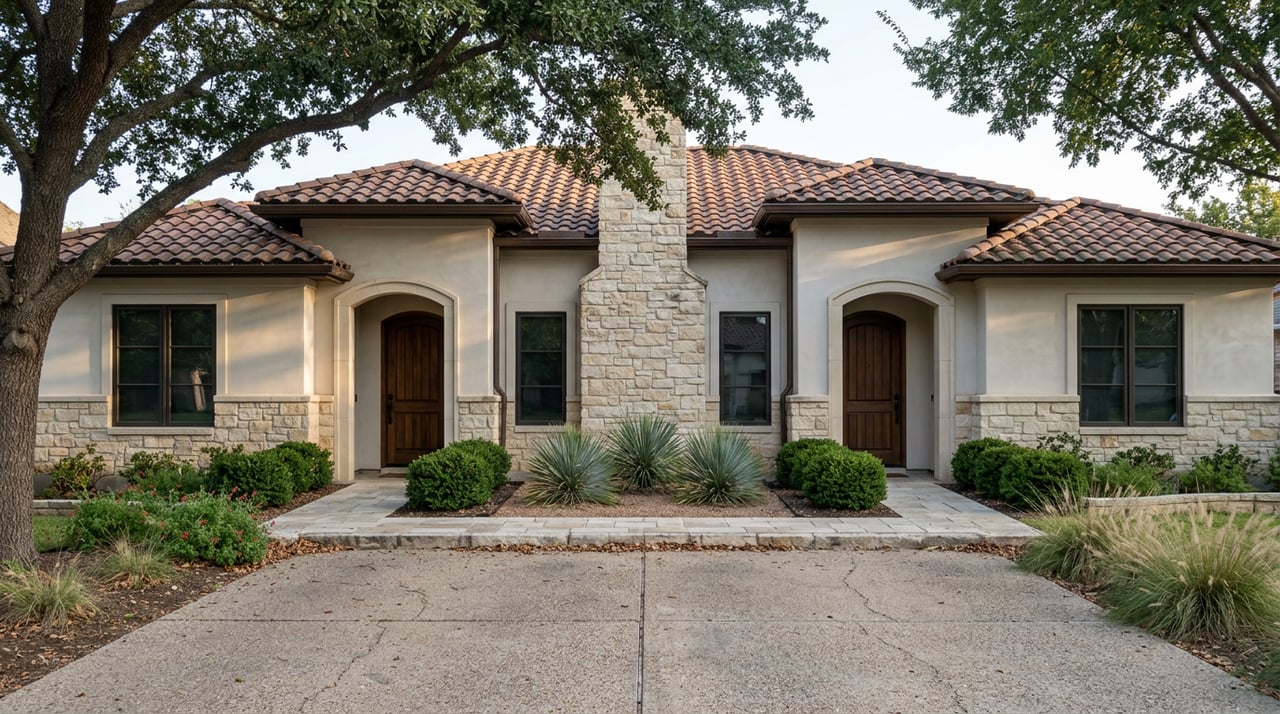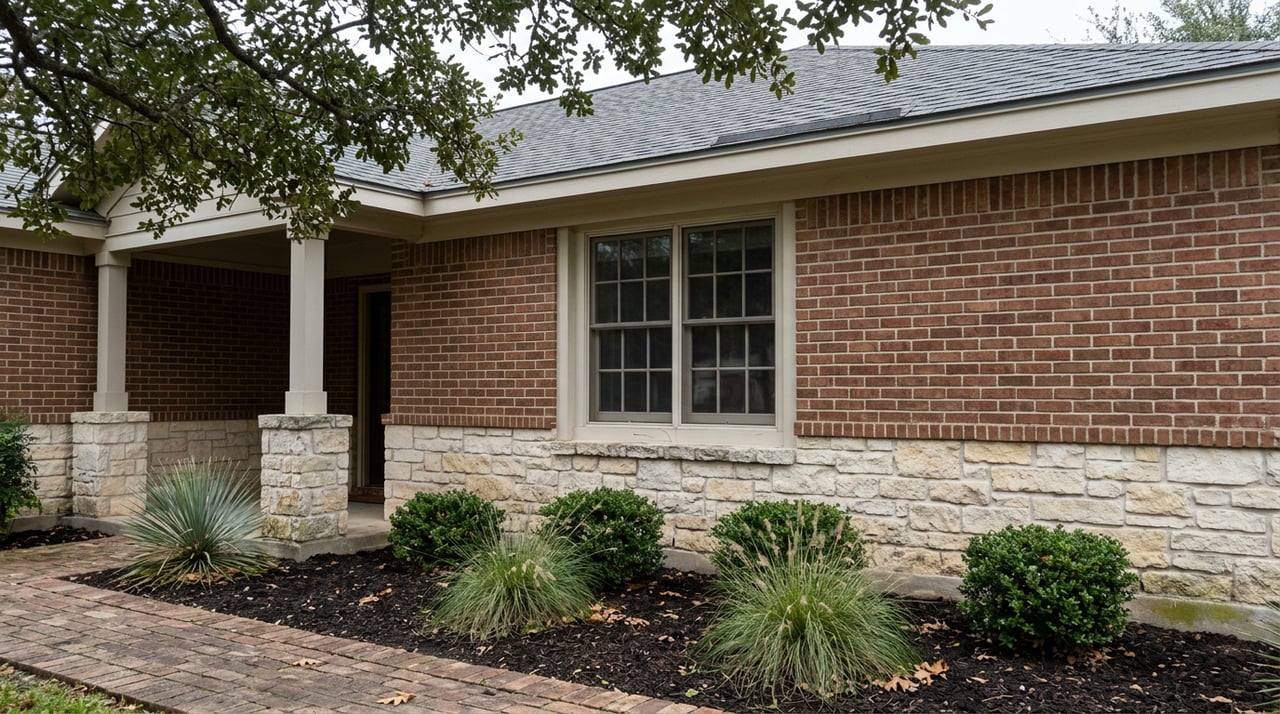
"That's one nice thing about Alamo Heights. All these houses have always been kept up."
Sarah Reveley said that to the San Antonio Report in 2023, standing in a neighborhood she has spent years trying to protect on paper. She lives in the Cottage District, a cluster of about 40 mostly Craftsman-style homes built between the 1920s and the 1940s. She has also spent years mapping which of her neighbors' houses have come down. The two facts sit next to each other uneasily, and that tension is the thing a buyer or seller of an old Alamo Heights home needs to understand before anything else.
Here is the mechanism most people miss. Alamo Heights marked its centennial in 2022 with signs on roughly 200 homes built at least a century ago. San Antonio, the city that surrounds it, has designated 32 historic districts where demolition of a contributing structure triggers real review. Alamo Heights has never created one. Not a single house here, no matter how old, how architecturally significant, or how many awards it's collected from preservation groups, carries legal protection from being torn down.
That gap is not a technicality. It is the reason more than 75 houses in Alamo Heights were razed or approved for demolition over the five years before 2023, according to Reveley's own review of city documents. It is also the reason a "historic charm" line in a listing description means something completely different here than it would in a designated district, and why the real due diligence for an old home in this city runs through a foundation inspection and a permit file rather than a historic registry.
What the Architectural Review Board Actually Does
Alamo Heights does have a review process. The city's Architectural Review Board handles demolition requests in two steps: first it considers whether the existing structure has architectural or historical significance, then it reviews whether the proposed replacement fits the surrounding streetscape. The board's recommendation goes to a six-member City Council for final say, and the whole process runs about 30 days, not counting plan review.
The board is advisory. It has no independent veto. Between 2018 and 2023, it approved 100% of the demolition requests it reviewed, according to reporting on the board's own record. That is not a criticism of the people who serve on it. The board is largely bound to apply existing zoning and building code criteria, and Texas law limits how much further a city can push.
That law matters more than most people realize. In 2019, the state legislature passed restrictions on how much a municipality can regulate building materials or limit teardowns. Reveley traced the acceleration in Alamo Heights demolitions directly to that change: "All of a sudden, the developers just pounced upon us." Whether or not you share her read on the pace, the timing lines up with what the ordinance now allows a city like Alamo Heights to actually do, which is less than most buyers assume.
Three Cities, Three Different Rules
Alamo Heights sits alongside two other independent municipalities that carry similarly old housing stock, Terrell Hills and Olmos Park. The review process is not uniform across the three, and the difference is worth knowing if you're comparing streets across the tri-city area rather than just within one zip code.
| City | Architectural Review Board | Historic district designation |
|---|---|---|
| San Antonio (surrounding city) | Handled through Historic and Design Review | 32 designated districts citywide |
| Alamo Heights | Yes, advisory only | None |
| Olmos Park | No board or process | None |
Vincent Michael, who leads a regional preservation nonprofit, has pointed to this gap for years, citing Olmos Park as a case where even the advisory layer Alamo Heights has doesn't exist. None of that changes what a buyer is actually protected by when they close on a 1930s pier-and-beam home or a 1920s Craftsman cottage in Alamo Heights: nothing, beyond whatever the seller chose to document and whatever condition the structure is actually in.
The Streets Where This Shows Up
This isn't an abstract policy question in Alamo Heights. It has a geography. The Cottage District, where Reveley lives, is a defined pocket of Craftsman homes from the 1920s through the 1940s with no legal shield around it. Patterson Avenue and Cambridge Oval carry a cluster of homes designed by O'Neil Ford, one of the architects most closely associated with the regional Texas style that gives the neighborhood its reputation. None of that carries more protection than a 2005 remodel three streets over.
If you're touring homes in these pockets, the seller's agent may lean on the architectural pedigree as a selling point, and that pedigree is real. It just isn't backed by anything a title company or a future buyer's attorney can point to. The protection, if there is any, comes from the current owner's decisions and whatever the Architectural Review Board happens to conclude about a specific structure on a specific day, three decades from now, under whatever state law looks like then.
What This Changes If You're Buying
The practical shift is this: stop treating "historic" as a status and start treating it as a description. Two things are worth checking before you write an offer on a pre-1945 Alamo Heights home.
First, look at what's actually happened on the block. The city's own demolition review filings are public record through the Architectural Review Board process, and a pattern of recent teardowns on a street tells you more about future block character than any listing copy will.
Second, get the foundation history in writing. Alamo Heights sits on the same expansive clay that runs under the rest of the metro's older neighborhoods, and pier-and-beam homes from the 1920s through the 1940s were built to standards that predate modern foundation engineering. City code already requires that any foundation repair needing a professional engineer's design be inspected and signed off by that engineer, with the report filed alongside the building permit. That paperwork is the closest thing to a protection this housing stock actually has, because it tells you whether the last owner treated movement as a maintenance issue or let it go. Installed foundation piers in this part of the metro typically run $600 to $1,000 each, and not every inspection turns up a problem worth that cost. The number that matters to you is what the specific house needs, not what the neighborhood implies.
What This Changes If You're Selling
If you own one of these homes and you're weighing when to list, the same logic runs in reverse. Your century-old house is not going to be devalued by a lack of historic designation, buyers here have paid a premium for this architecture for decades regardless of legal status. But if you've had foundation work done, the engineer's inspection letter and any transferable warranty are documents worth pulling together before you list, not after an inspector asks for them. In a market with no historic label to lean on, your own paper trail is what tells a buyer this house was actually maintained the way Reveley describes the neighborhood: kept up.
Where This Stands Right Now
Reveley ran for the Place 2 council seat in May 2023 with historic district creation as her central issue. She lost to Karl Baker, a sitting member of the Architectural Review Board, by a wide margin, 63.93% to 36.07%. As of the most recent local reporting in spring 2024, no historic district had been created, and Reveley said the issue remained stalled enough that she was considering a referendum petition. There's no indication since then that the policy has changed. If you're deciding whether to buy or sell based on an assumption that protection is coming, don't build that into your timeline.
Frequently Asked Questions
Does an old home in Alamo Heights come with any legal protection from demolition by a future owner? No. Alamo Heights has never adopted a historic district ordinance. The Architectural Review Board reviews demolition requests but functions in an advisory capacity, and it approved every demolition request it reviewed between 2018 and 2023.
Can I renovate freely if my home isn't in a historic district? Largely yes, within standard zoning and building code, though the Architectural Review Board still reviews projects that remove or encapsulate more than 25% of street-facing exterior walls or 50% of all exterior walls and roofs, which is treated as a demolition case.
What should I actually ask for before buying a pre-1945 home here? Any engineer inspection reports tied to past foundation repairs, filed with the city permit record, plus a look at recent Architectural Review Board demolition filings for the surrounding block.
If you're weighing a purchase or a sale in one of these older Alamo Heights pockets and want a read on what a specific block's recent activity actually looks like, Jacob Rocha can walk through it with you. Let's Connect.
This article is general information, not legal, tax or financial advice. Consult a qualified professional about your situation.